How IoT Technology is Transforming Real-Time Fleet Monitoring
The integration of IoT (Internet of Things) devices into commercial vehicles has opened a new era of transparency and control for fleet managers. This technology goes beyond simple GPS location.
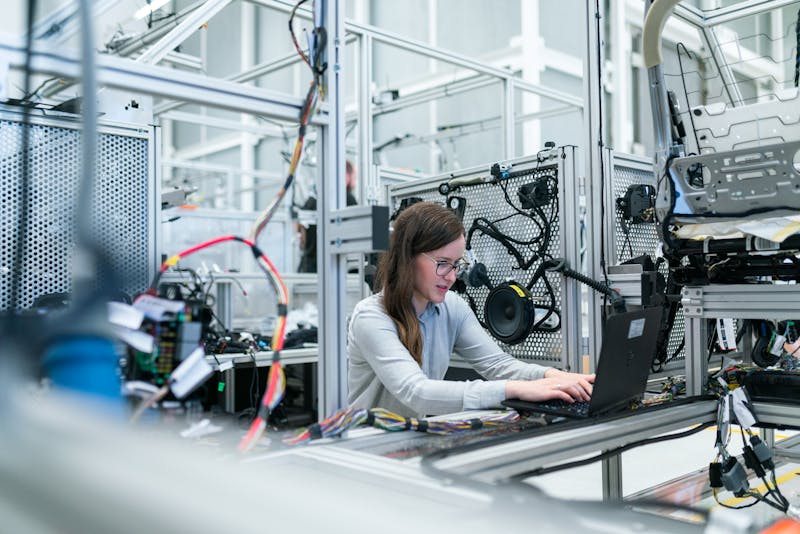
The Data That Matters, Processed Instantly
Modern platforms, such as FleetLogix, collect a continuous stream of data from vehicle sensors:
- Advanced Engine Diagnostics: Tracking real-time parameters to anticipate failures, not just repair them.
- Driver Behavior Analysis: Monitoring harsh acceleration, sudden braking, and idling times for training and safety.
- Dynamic Route Optimization: Software recalculates the route based on traffic, avoiding jams and saving fuel.
From Reactive to Proactive: Maintenance Planning
One of the biggest benefits is the shift from a fixed schedule to maintenance based on the vehicle's actual condition. The system analyzes wear data and automatically generates alerts for:
- Necessary oil changes.
- Brake system checks.
- Air filter replacements.
This reduces vehicle downtime and extends the fleet's lifespan.
"Implementing an IoT solution for our fleet of 50 vehicles reduced fuel costs by 15% in the first year, just through route optimization and driving style monitoring."
The Future is Connected
The next step is integration with smart warehouses and order management systems, creating a fully automated logistics ecosystem. Fleet data will directly feed load planning and human resource processes.
For courier and logistics companies, investing in such platforms is no longer optional, but essential for competitiveness and scaling.